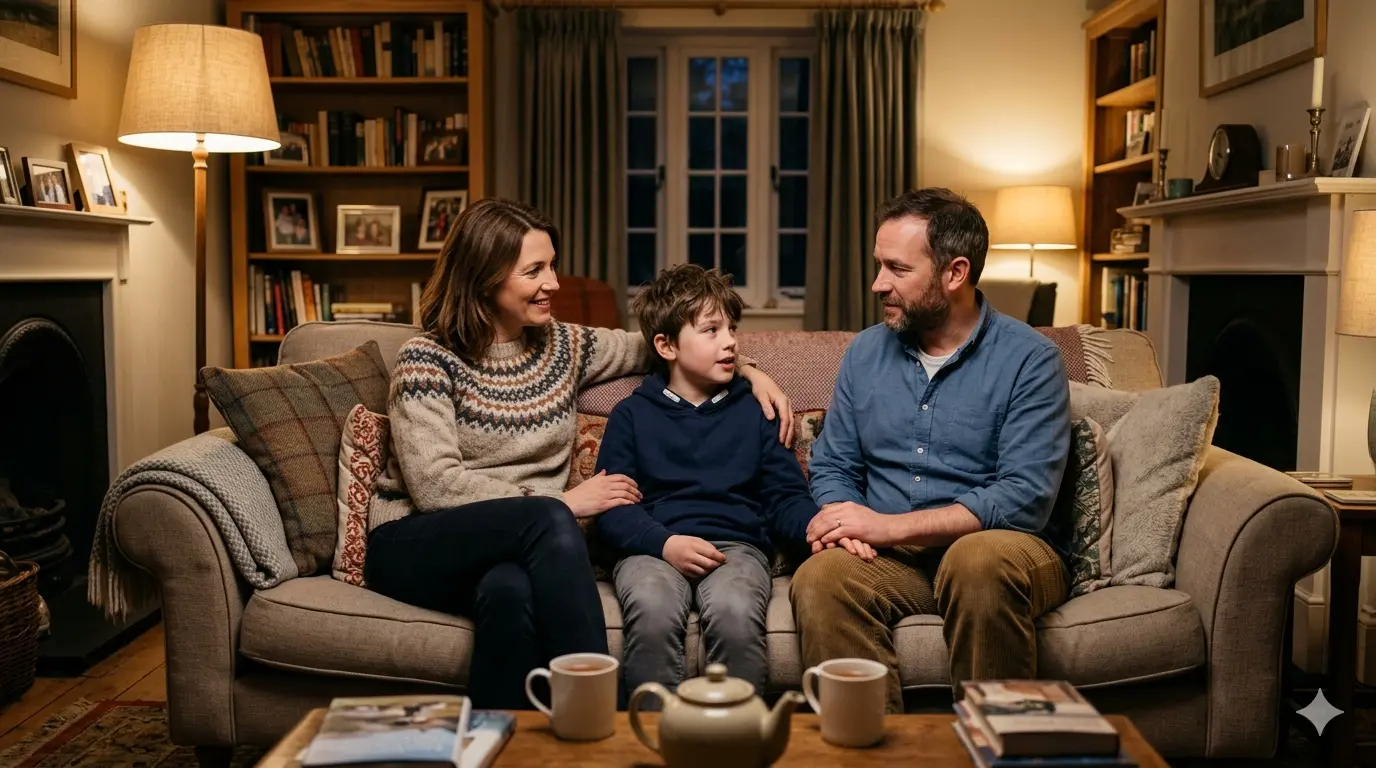
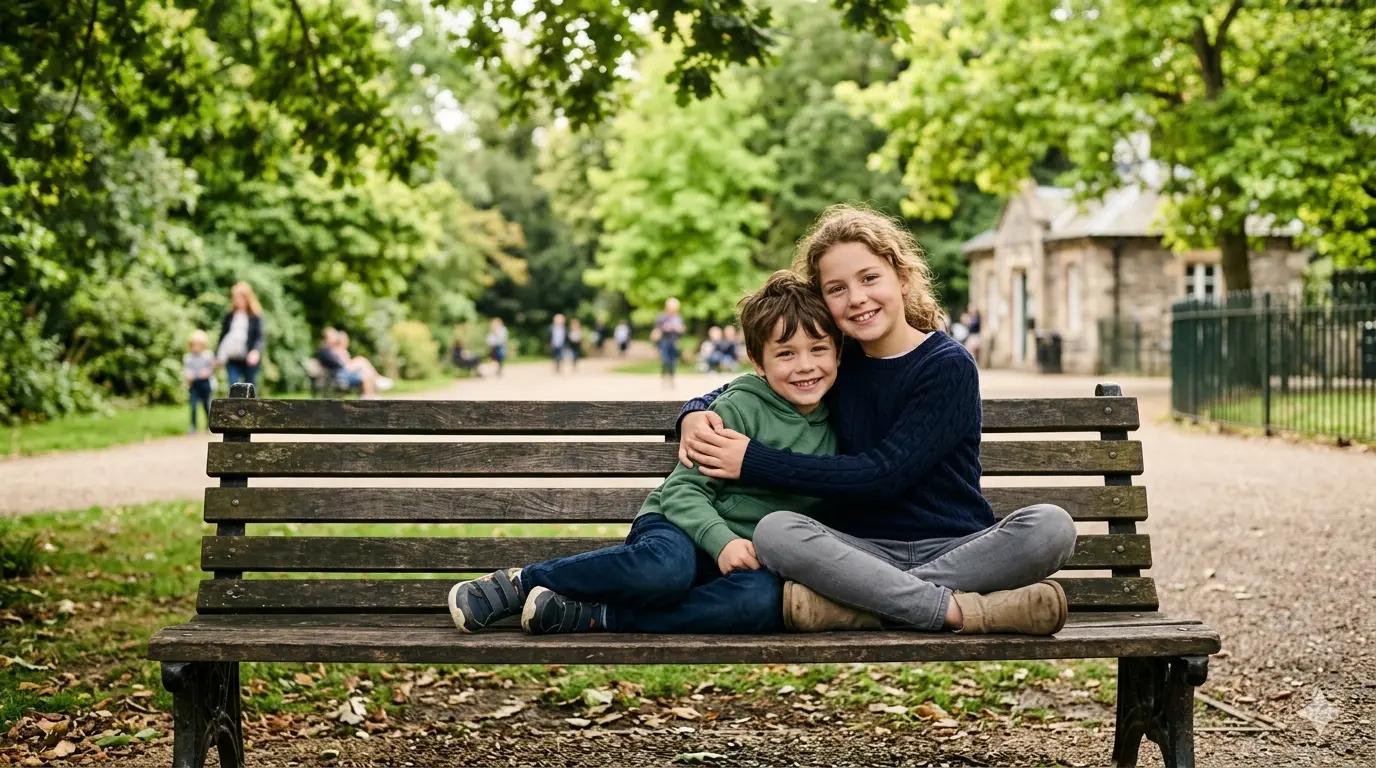
Short on time? The 11+ does not just happen to the child sitting the exam. It happens to the whole family. Brothers and sisters absorb the stress, notice the shifting attention, and draw their own conclusions about what it all means. This guide looks at the sibling dynamics that 11+ preparation creates and gives you practical ways to keep every child in your household feeling valued and secure.
Why Siblings Get Overlooked
It is not intentional. No parent sets out to sideline one child in favour of another. But 11+ preparation has a way of consuming more time, energy, and emotional bandwidth than anyone expects. What starts as "just 20 minutes of practice after school" gradually expands into weekend tutor sessions, conversations about school choices at the dinner table, and a general atmosphere of exam-focused tension that fills the house.
Younger siblings pick up on the change in atmosphere even if they cannot articulate what is different. Older siblings may understand exactly what is happening and feel a complicated mix of emotions about it. Either way, the child who is not sitting the exam can end up feeling like a background character in their own family for months at a time.
Recognising this is the first step. You cannot prevent the 11+ from taking up space in your family life, but you can be deliberate about making sure it does not take up all the space.
What Siblings Actually Feel
Children are not always direct about their emotions, especially when they sense that the family is already under pressure. Here are some of the feelings siblings commonly experience during 11+ preparation, even if they never say them out loud.
"Why Does Everything Revolve Around Them?"
This is the most common one. The 11+ child gets driven to tutoring. Their practice papers are spread across the kitchen table. Conversations between parents circle back to exam dates, school applications, and scores. Siblings notice all of this, and the message they receive, even if it is unintended, is that the 11+ child's needs come first.
"Am I Not as Important?"
Younger siblings especially may interpret the extra attention as a statement about their own worth. If Mum spends an hour every evening helping their brother with maths, a six year old can easily conclude that their reading practice or their day at school does not matter as much.
"What If I Have to Do This Too?"
Younger siblings who see the stress of 11+ preparation may develop anxiety about their own future exams, even if those are years away. They watch their older sibling cry over practice papers or overhear tense conversations about scores, and they store all of it away as information about what is coming for them.
"I Could Never Do That"
If the 11+ child is frequently praised for being clever, hardworking, or academic, siblings may position themselves as "the one who is not clever" by comparison. This is not a conscious decision. It is a child's way of carving out a separate identity when the obvious one is already taken.
"I Do Not Want to Talk About It"
Some siblings deal with the situation by withdrawing entirely. They stop mentioning school, stop asking for help with homework, and become quieter at family meals. This can look like they are coping well, but it may actually be a sign that they have decided their own concerns are not worth raising.
The Special Case: When Siblings Get Different Results
This is one of the most delicate situations any family can face. One child passes the 11+ and goes to grammar school. The other child, a year or two later, does not. Or perhaps they are twins and one gets in while the other does not.
There is no way to make this painless, but there are ways to handle it that minimise lasting damage.
Never Compare
This sounds obvious, but comparison can be very subtle. "Your sister found the verbal reasoning quite easy" is a comparison, even though it is not directly saying "and you do not." Any reference to how the other sibling performed, even a positive one, invites comparison. Keep each child's preparation and results completely separate.
Validate Both Outcomes
If one child got into grammar school and the other did not, both children need to hear genuine enthusiasm about their school. Not forced positivity, but real engagement with what makes each school good. If you are visibly more excited about the grammar school, the other child will notice.
Watch for Resentment
The child who did not get in may feel resentful towards the sibling who did. This is normal and it usually passes, but it needs to be acknowledged rather than dismissed. "I understand that it feels unfair. You worked just as hard. It is okay to feel upset about it." Do not try to talk them out of the feeling. Let them have it.
Prepare for School Gate Comments
Other parents, teachers, and family friends may make thoughtless comments. "Oh, so one got in and one did not?" Prepare your children for this by practising simple, confident responses: "We are both going to great schools" or "I am really looking forward to my school." Having a ready answer reduces the sting.
Practical Strategies for Every Family
Here are concrete things you can do to protect siblings during the 11+ period. None of them require extra time or money. They just require awareness.
Give Each Child Protected One on One Time
This is the single most effective thing on this list. Find 15 to 20 minutes each day where you give your non-11+ child your undivided attention. No phone. No mention of the exam. Just them. It can be reading together, playing a game, walking the dog, or just chatting about their day.
The amount of time matters less than the consistency. When a child knows they have a guaranteed slot where they are the only focus, it offsets a lot of the feeling that the 11+ child gets all the attention.
Keep the 11+ in Its Box
Designate specific times and places for 11+ work, and keep it contained there. If revision happens at the kitchen table from 4:30 to 5:15, then at 5:15 the books go away and the table becomes the family's again. Do not let exam preparation bleed into mealtimes, car journeys, weekend outings, and bedtime conversations.
This benefits the 11+ child too. They need to know that there are parts of their day that the exam cannot touch.
Celebrate Everyone's Achievements
If the 11+ child gets a good score on a practice paper, that is worth acknowledging. But so is the younger sibling's swimming badge, the older sibling's role in the school play, or the toddler's first time tying their own shoelaces. Make a conscious effort to give every child's milestones equal airtime.
Be Honest in an Age Appropriate Way
Children are remarkably good at detecting when something is being hidden from them, and what they imagine is usually worse than the reality. You can explain the 11+ to siblings simply: "Your brother is taking a test that helps decide which secondary school he goes to. We are helping him practise, like we help you practise reading. It takes up some extra time at the moment, but it will not last forever."
The key message is: this is temporary, it is specific to your sibling, and it does not change how we feel about you.
Do Not Recruit Siblings as Study Helpers
It can be tempting to ask an older sibling to quiz the 11+ child on vocabulary or test them on times tables. Resist this unless the older child genuinely volunteers and enjoys it. Turning a sibling into a tutor changes the dynamic between them and can create resentment on both sides.
Watch Your Language
Small phrases carry big weight. "We cannot go to the park because your sister needs to finish her paper" tells the non-exam child that the 11+ is more important than their weekend. Try instead: "Your sister is going to do her practice this morning, and then we are all going to the park after lunch." Same outcome, very different message.
When a Younger Sibling's Turn Comes
If you have a younger child who will eventually sit the 11+ themselves, the older sibling's experience shapes their expectations in powerful ways.
If the Older Child Passed
The younger child may feel pressure to match their sibling's result. They may also assume the process will be the same for them, when in reality every child's preparation looks different. Be clear that their 11+ journey is their own: "What worked for your brother might not be exactly what works for you. We will figure out your plan together."
If the Older Child Did Not Pass
The younger child may be anxious about going through the same experience, or they may feel guilty if they end up doing better than their sibling. Both feelings are valid. Acknowledge them without dismissing them: "It is okay to feel nervous. And it is okay if your result is different from your brother's. Different people, different day, different test."
Avoid the Comparison Trap
It is natural to use the older child as a reference point. "At this stage your sister was scoring about 75%." But this is a comparison, and it can be motivating or crushing depending on which direction the comparison goes. Let each child's preparation stand on its own.
Twins and the 11+
Twins sitting the 11+ together present unique challenges because the comparison is immediate and unavoidable. They are the same age, in the same year, often at the same school, and the results arrive on the same day.
If you have twins preparing for the 11+:
- Give each twin separate practice sessions where possible. Do not sit them side by side and compare scores.
- Recognise that they may have very different strengths. One might excel at maths while the other is stronger at English. Celebrate both.
- Prepare for the possibility that one may receive an offer and the other may not. Have the conversation about this in advance, not on results day.
- If they both get in, wonderful. If neither does, at least they share the experience. The hardest outcome is one in, one out, and it needs careful, honest handling.
Looking After Yourself
This article has focused on your children, but you matter too. Managing the emotional needs of multiple children while shepherding one through a high stakes exam is genuinely exhausting. Give yourself permission to find it hard. Talk to your partner, a friend, or other 11+ parents about how you are feeling. You cannot pour from an empty cup, as the saying goes, and your children need you to be okay.
If you notice that the 11+ is dominating your family's emotional life to a degree that worries you, it is worth stepping back and recalibrating. No school place is worth a damaged relationship between siblings or a household that feels like a pressure cooker for months on end.
The Big Picture
In ten years, your children will not remember what score they got on a practice paper in Year 5. But they will remember how they felt in their family during that time. They will remember whether they felt seen, whether their own achievements mattered, and whether their home was a place of warmth or a place of relentless academic pressure.
The 11+ is one chapter. Your family is the whole book. Keep that perspective and you will get through this period with your relationships intact and every child feeling secure in their place.
Worried about anxiety levels at home? → Managing Your Own Anxiety During the 11+
Preparing for results day? → What If They Don't Get In?
Visit our parent support hub for more guidance on keeping your family balanced.