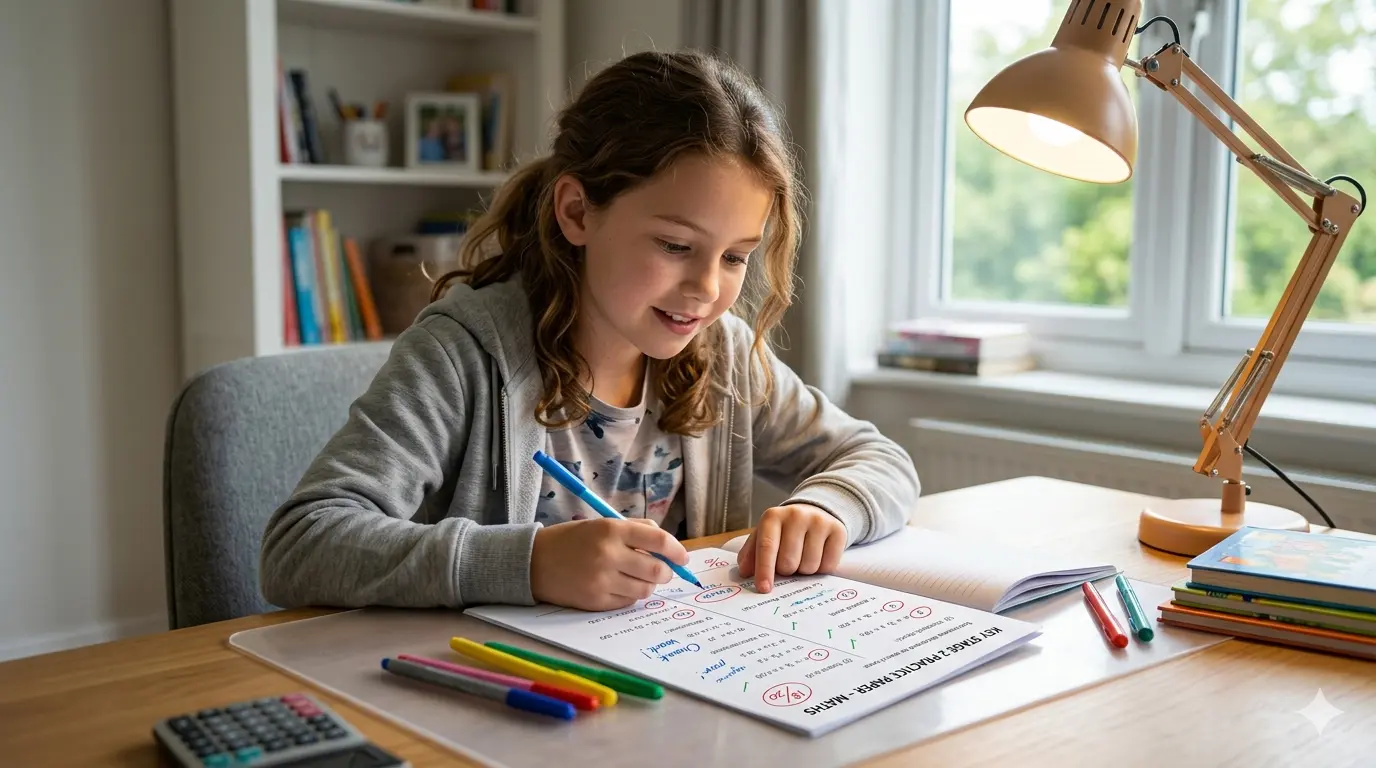

You know reading is crucial for 11+ success. You understand that children who love books perform better on every aspect of the exam. You're convinced that fostering a genuine reading habit will benefit your child far beyond any test. But knowing and doing are two different things entirely. Between work, homework, extracurriculars, and the daily chaos of family life, how do you actually transform your child from a reluctant reader into someone who reaches for books naturally? The answer isn't a complete lifestyle overhaul – it's a gentle, systematic approach that builds sustainable habits one small step at a time.
Why Most Reading Plans Fail (And How This One's Different)
Most families approach reading improvement like a crash diet – they make dramatic changes that work for a few days, then gradually fade away as life gets busy. Children resist sudden new expectations, parents feel guilty when they can't maintain perfect consistency, and everyone eventually gives up, feeling like they've 'failed' at yet another good intention.
This action plan is different because it's designed around the reality of busy family life. Each step is small enough to feel manageable, specific enough to avoid confusion, and flexible enough to adapt to your unique circumstances. Most importantly, it focuses on building genuine enjoyment rather than checking boxes.
The goal isn't perfection – it's progress. You're not aiming to transform your family into literary scholars overnight. You're simply creating conditions where reading love can naturally flourish, one small change at a time.
Before You Begin: The Foundation Assessment
Take a moment to honestly assess where your family stands right now. This isn't about judgment – it's about starting from reality rather than wishful thinking.
Your Child's Current Reading Reality
Answer these questions honestly:
- How many minutes per day does your child currently read for pleasure?
- When did they last finish a book they chose themselves?
- Do they ever read when they don't have to?
- What's their attitude when you suggest reading time?
- Are there any books or types of stories they've enjoyed recently?
- What competes most strongly with reading time in your home?
Your Family's Reading Environment
Look around your home with fresh eyes:
- Are books visible and accessible in your main living spaces?
- Do you have a comfortable spot specifically for reading?
- When do you personally read, and do your children see you doing it?
- How often do screens dominate leisure time in your house?
- What's your current bedtime routine, and where might reading fit?
There are no wrong answers here. Whether your child currently reads zero minutes a day or already enjoys books sometimes, this plan can help you build from wherever you are.
Week 1: Foundation Building (Days 1-7)
The first week is about creating the right conditions for reading success. You're not forcing anyone to read more yet – you're simply making reading more appealing and accessible.
Day 1: Create a Reading Invitation
Today's task: Set up one appealing reading spot in your home.
This doesn't require buying new furniture or redecorating. Look for a comfortable corner with good light where distractions are minimal. Add a soft cushion, a small side table for drinks and snacks, and good lighting. Make it feel special – maybe a cozy throw blanket or a basket for holding books.
The key is making this space feel inviting rather than like a designated 'study area.' You want your child to associate this spot with comfort and pleasure, not obligation.
Parent reflection: When you look at this space, does it make you want to curl up with a book? If not, adjust until it does.
Day 2: Book Accessibility Audit
Today's task: Make books more visible and accessible throughout your home.
Move children's books from bedrooms into common areas. Put a basket of picture books in the living room, even if your child is older – sometimes familiar comfort reads are exactly what reluctant readers need. Place a few appealing books on the kitchen counter, coffee table, or anywhere your child spends time.
The goal is making books feel like a natural part of your environment rather than something special you have to seek out.
Bonus step: Put your own book somewhere visible too. Children need to see that adults read for pleasure.
Day 3: Library Adventure
Today's task: Visit your library together, with zero pressure and maximum choice.
Let your child choose whatever appeals to them – graphic novels, joke books, non-fiction about their interests, books that seem 'too easy' or 'too hard.' The only rule is that they choose things that genuinely interest them.
Aim for variety: maybe one familiar favorite, one new discovery, and one wild card that just catches their eye. Don't worry about educational value or reading level – worry about engagement.
Your role: Be enthusiastic but not pushy. Show interest in their choices without judgment. Maybe pick out a book for yourself too.
Day 4: Establish Reading Visibility
Today's task: Start reading your own book visibly and enthusiastically.
This might be the most important step in the entire plan. Children learn more from what they observe than what we tell them. If they see you enjoying reading – not just checking emails or scanning news, but actually absorbed in a book – they begin to understand that reading is something adults choose to do because it's worthwhile.
Read where your children can see you. Comment naturally on what you're reading: 'Oh, this character just made a terrible decision!' or 'I can't put this book down – just one more chapter.' Let them see you prioritizing reading time.
Key insight: Your genuine enthusiasm is more persuasive than any amount of encouragement or rules about reading.
Day 5: Bedtime Reading Trial
Today's task: Replace screen time with reading in the 30 minutes before bed.
Start with just tonight – frame it as an experiment, not a permanent change. Remove devices from bedrooms 30 minutes before sleep time and suggest that your child can read, listen to an audiobook, or have you read aloud instead.
Don't expect enthusiasm immediately. Some children will resist, and that's normal. The goal is simply introducing the idea that reading can be a calming, enjoyable way to wind down.
Flexibility note: If your child is genuinely tired or resistant, don't force it. Try again tomorrow with a different approach – maybe you read aloud to them instead.
Day 6: Reading Interest Detective Work
Today's task: Have a casual conversation about what kinds of stories your child enjoys.
This isn't an interrogation – it's friendly curiosity. Ask about movies they love, games they enjoy, or topics they find fascinating. Listen for clues about what might hook them in book form.
Maybe they love mystery movies, which suggests detective stories might appeal. Perhaps they're fascinated by animals, pointing toward nature books or animal adventures. Maybe they enjoy YouTube videos about science experiments, indicating non-fiction might engage them.
Important: Don't immediately rush out to find books based on these interests. Just gather information for now.
Day 7: Week 1 Reflection
Today's task: Assess what's working and what isn't.
Which changes felt natural and sustainable? What resistance did you encounter? Has your child shown any interest in the books you made available? Have you managed to read visibly yourself most days?
Be honest about what's realistic for your family. If some changes felt forced or created stress, modify your approach. The goal is building sustainable habits, not winning a short-term compliance battle.
Celebrate small wins: Maybe your child picked up a book for just five minutes, or showed interest in what you were reading. Any movement toward books is progress worth acknowledging.
Week 2: Gentle Routine Building (Days 8-14)
Now that you've created a more reading-friendly environment, it's time to start building gentle routines. Remember, you're not imposing strict requirements – you're creating opportunities for reading to happen naturally.
Day 8: Family Reading Time Introduction
Today's task: Institute a 15-minute family reading time.
Choose a time when everyone's usually home and relatively calm – maybe after dinner, or weekend mornings. Everyone reads their own book, including adults. No discussion required, no questions about comprehension, just quiet, parallel reading.
Start with just 15 minutes. Set a gentle timer, and when it goes off, everyone can continue reading if they want or move on to other activities. The key is making this feel peaceful rather than pressured.
Troubleshooting: If your child resists, let them look through books or magazines instead of reading. The goal is creating positive associations with quiet book time.
Day 9: Audiobook Experiment
Today's task: Try listening to an audiobook together during car rides or while doing quiet activities.
Audiobooks can be magical for reluctant readers because they remove the effort of decoding while preserving the joy of storytelling. Choose something with excellent narration that appeals to your child's interests.
This isn't 'cheating' or somehow less valuable than print reading. Audiobooks build vocabulary, story comprehension, and appreciation for narrative just as effectively as reading text.
Bonus benefit: Shared audiobook experiences give families something to discuss and anticipate together.
Day 10: Reading Choice Expansion
Today's task: Introduce a different type of reading material based on your child's interests.
Remember that detective work from Day 6? Now put it to use. If your child loves football, find sports magazines or biographies of players. If they're fascinated by space, explore both fiction and non-fiction about astronomy.
The goal is showing your child that 'reading' includes far more than just novels. Comics, magazines, how-to books, poetry collections – all reading counts and all reading builds skills.
Keep it low-pressure: Leave interesting materials around rather than formally presenting them. Let curiosity do the work.
Day 11: Reading Stamina Building
Today's task: Encourage slightly longer reading sessions when your child is engaged.
If you notice your child absorbed in a book during family reading time, let the 15 minutes extend naturally. Don't interrupt with 'time's up' if they're genuinely engaged.
Similarly, if bedtime reading is going well, be flexible about 'just one more page' requests. Building reading stamina happens gradually as children get lost in good stories.
Watch for fatigue: Pushing too hard when a child is tired creates negative associations. Better to stop while they're still enjoying it.
Day 12: Reading Social Connection
Today's task: Share something interesting from your own reading with your child.
This might be a funny quote, an interesting fact, or just enthusiasm about a plot development. Show your child that reading connects us to ideas worth sharing.
Ask casual questions about their reading too, but keep it conversational rather than like a comprehension test. 'What's happening in your story?' rather than 'What's the main character's motivation?'
Goal: Establish that books give us interesting things to talk about and think about together.
Day 13: Comfortable Reading Position Exploration
Today's task: Let your child experiment with different reading positions and locations.
Some children read better lying on their stomachs, others prefer curled up in a chair. Some like background music, others need silence. Some focus better standing up or even walking around with a book.
Traditional 'good reading posture' isn't necessary if your child is actually reading. Let them find what works for their body and brain.
Trust the process: If unusual positions help your child engage with books, support those preferences rather than imposing adult ideas about proper reading behavior.
Day 14: Week 2 Assessment
Today's task: Evaluate progress and adjust your approach.
Is family reading time happening consistently? How has your child responded to different types of reading materials? Are you maintaining your own reading visibility?
Notice small changes: Is your child picking up books more often? Staying engaged slightly longer? Showing interest in different types of reading?
Realistic expectations: Two weeks isn't enough time for dramatic transformation, but you should see some positive shifts in attitude or behavior.
Week 3: Deepening Engagement (Days 15-21)
By now, reading should feel more natural in your home. This week focuses on deepening engagement and building genuine love for stories and ideas.
Day 15: Series Introduction
Today's task: Help your child discover a book series that captures their interest.
Series books are powerful because they create momentum. Once children care about characters, they're motivated to continue reading to find out what happens next. This builds reading stamina naturally.
Look for series that match your child's current reading level and interests. Don't worry if they seem 'too easy' – confidence and enjoyment matter more than challenge at this stage.
The hook factor: The goal is finding something your child genuinely can't put down, not something that's educationally optimal.
Day 16: Reading Rewards Reconsideration
Today's task: Focus on intrinsic rather than extrinsic reading motivation.
Avoid charts, stickers, or prizes for reading. These external rewards can actually undermine intrinsic motivation over time. Instead, let the natural pleasure of good stories be the reward.
Celebrate reading through attention and enthusiasm rather than treats. Show interest in what your child is reading, but let their own engagement drive continued reading.
Mindset shift: Reading isn't work that deserves rewards – it's pleasure that creates its own motivation.
Day 17: Reading Challenge Comfort Zone
Today's task: Encourage your child to try one book that's slightly more challenging than their usual choices.
Frame this as an adventure rather than an assignment. Maybe read the challenging book together, taking turns with chapters, or choose something where you can provide support if needed.
The goal isn't to push them toward 'harder' books permanently, but to expand their confidence about what they can handle.
Safety net: Make it clear they can abandon the book if it's not enjoyable. The experiment is about expanding possibilities, not proving anything.
Day 18: Reading Environment Optimization
Today's task: Fine-tune your reading environment based on what you've learned about your child's preferences.
Maybe they read better with soft background music, or need a different type of lighting, or prefer a reading spot with a view outside. Make adjustments based on when you've noticed them most engaged.
Consider practical needs too: water bottle within reach, comfortable temperature, minimal visual distractions.
Personalization matters: The 'perfect' reading environment is the one where your particular child reads most happily.
Day 19: Author Exploration
Today's task: If your child has enjoyed a particular book, help them find other books by the same author.
Children often connect with particular writing styles or storytelling approaches. When they find an author they enjoy, exploring that author's other works can provide reading momentum.
This also helps children understand that books come from real people with particular interests and perspectives, making the reading experience more personal.
Library gold mine: Librarians are excellent resources for finding similar authors or books in the same style.
Day 20: Reading Flexibility Practice
Today's task: Allow reading to happen in unconventional times and places.
Maybe your child wants to read during breakfast, or in the car, or while you're cooking dinner. If it's safe and doesn't interfere with essential activities, embrace these spontaneous reading moments.
Flexibility shows that reading is valued enough to accommodate wherever it naturally occurs, rather than confined to specific 'reading times.'
Follow their lead: When children choose to read, support that choice even if it's not perfectly convenient.
Day 21: Week 3 Celebration
Today's task: Acknowledge the progress your family has made without making reading feel like an achievement to maintain.
Notice positive changes: Is reading happening more naturally? Does your child seem more comfortable with books? Are you maintaining family reading time consistently?
Celebrate by enjoying books together – maybe visit a bookstore, attend a library event, or simply have an extra-long family reading session.
Sustainable mindset: You're not celebrating the end of effort, but the beginning of natural habits.
Week 4: Making It Sustainable (Days 22-30)
The final week focuses on embedding reading naturally into your family culture so it continues long after this initial 30-day period.
Day 22: Reading Routine Evaluation
Today's task: Assess which reading routines feel sustainable long-term and which feel forced.
Be honest about what's working in your real life versus what you think should work. Maybe morning reading sessions don't fit your schedule, but evening ones do. Maybe 15-minute family reading feels perfect, but longer sessions create resistance.
Adjust your approach based on what actually works for your family, not what works for other families or what reading experts recommend in theory.
Sustainability check: Can you imagine maintaining these habits for months, not just weeks?
Day 23: Reading Social Circle Expansion
Today's task: Connect your child with other young readers or book-loving adults.
This might mean joining a library book club, connecting with reading friends from school, or simply talking to relatives who love books. Sometimes peer enthusiasm or adult mentorship provides motivation that parents can't.
Book recommendations from friends often carry more weight than suggestions from parents, and seeing other children excited about reading normalizes the activity.
Community building: Reading becomes more appealing when it connects us to other people.
Day 24: Reading Challenge Comfort
Today's task: Let your child choose their own reading challenges or abandon books that aren't working.
Children need permission to stop reading books they don't enjoy, and they need freedom to choose books that seem 'too easy' sometimes. Reading for pleasure means prioritizing enjoyment over external standards.
Trust that children who love reading will naturally gravitate toward more challenging material when they're ready.
Reader autonomy: The goal is raising children who make good reading choices for themselves, not children who comply with adult reading requirements.
Day 25: Technology Integration Balance
Today's task: Find a sustainable balance between screen time and reading time that works for your family.
Rather than positioning books and screens as enemies, think about how they can coexist. Maybe audiobooks during screen-free times, or e-books that make reading more appealing to some children.
The goal isn't eliminating technology but ensuring that reading has protected space in your family's rhythm.
Real-world balance: Sustainable changes work with your family's lifestyle rather than requiring dramatic sacrifices.
Day 26: Reading Resource Sustainability
Today's task: Establish systems for ongoing access to appealing books.
Regular library visits, book swaps with friends, birthday and holiday books, or budgeting for occasional bookstore purchases. Children need continuous access to fresh reading material to maintain interest.
Consider your family's budget and logistics, then create a system that ensures new books are regularly available without financial stress.
Practical planning: Enthusiasm fades without ongoing access to appealing materials.
Day 27: Family Reading Culture Assessment
Today's task: Reflect on how reading has become part of your family's identity and values.
Do family members talk about books naturally? Is reading visible and valued in your home? Do children see adults choosing to read for pleasure?
Cultural change happens gradually, and 30 days is just the beginning. Notice the foundation you've established for ongoing reading growth.
Long-term perspective: You're creating conditions for lifelong reading love, not just short-term habit compliance.
Day 28: Reading Independence Encouragement
Today's task: Support your child in taking ownership of their reading choices and habits.
Let them choose their own books, decide when to read, and determine how much to read in a session. Your role shifts from director to supporter and resource provider.
This independence is crucial for developing intrinsic motivation. Children need to feel that reading belongs to them, not that it's something they do to please adults.
Trust building: Show confidence in your child's ability to make good reading choices for themselves.
Day 29: Troubleshooting Future Challenges
Today's task: Anticipate potential obstacles to continued reading growth and plan responses.
What might derail your family's reading habits? Busy school periods, sports seasons, family stress, or simple loss of momentum? Think through how you'll maintain reading priority during challenging times.
Having a plan for obstacles makes you more likely to weather temporary setbacks without abandoning reading habits entirely.
Resilience planning: Sustainable habits survive disruptions because they're consciously protected.
Day 30: Celebration and Commitment
Today's task: Celebrate your family's reading transformation and commit to ongoing growth.
Look at where you started 30 days ago versus where you are now. Has reading become more natural in your home? Does your child approach books with less resistance or more interest?
Most importantly, have you created a foundation that will continue growing? The real success isn't what happened in these 30 days, but what will continue happening in the months and years ahead.
The real victory: Building systems and attitudes that support lifelong reading love.
Beyond 30 Days: Sustaining Reading Success
This 30-day plan isn't an end point – it's a launching pad. Here's how to maintain momentum:
Monthly Reading Refreshers
Every month, try something new: a different genre, a family read-aloud, a visit to a new library branch, or a book-related outing. Novelty keeps reading exciting and prevents habits from becoming stale routines.
Seasonal Reading Celebrations
Mark seasons with reading traditions: summer reading challenges, cozy winter read-alouds, spring poetry exploration, or fall mystery marathons. Connecting reading to natural rhythms makes it feel integral to your family life.
Reading Growth Mindset
Expect ups and downs. Some weeks reading will flourish, others it will fade into the background. This is normal. The goal is overall trajectory, not perfect consistency.
Community Connections
Stay connected to other reading families, library programs, author visits, and book events. Reading thrives in community, and external enthusiasm supports internal motivation.
Troubleshooting Common Setbacks
'We were doing so well, but then everything fell apart'
This is completely normal. Life gets busy, routines get disrupted, and habits temporarily fade. The key is getting back on track quickly rather than viewing temporary setbacks as permanent failures.
Restart with one simple change – maybe just bedtime reading or weekly library visits – rather than trying to resurrect all habits simultaneously.
'My child was excited at first but now seems bored'
Interest naturally fluctuates. Try introducing new formats (graphic novels, audiobooks, magazines), new genres, or new reading locations. Sometimes boredom signals readiness for more challenging material.
'Other activities keep crowding out reading time'
This is a prioritization challenge, not a time management problem. Reading needs protected status in your family's value system, which means occasionally saying no to other activities.
'I can't maintain my own reading visibility'
Start smaller. Even five minutes of visible reading per day sends a powerful message. Choose books you genuinely enjoy, read at times when children can see you, and don't worry about finishing books quickly.
Measuring Real Success
Success isn't measured by reading level improvements or test scores, though these often follow naturally. Real success looks like:
- Your child choosing to read when they have free time
- Enthusiasm when discovering new books or authors
- Natural conversation about books and stories
- Resilience when encountering challenging texts
- Comfort with different types of reading materials
- Reading as a source of comfort, entertainment, and learning
These qualities develop gradually and create the foundation for lifelong learning success that extends far beyond any single test or academic milestone.
Remember, you're not just building a reading habit – you're nurturing a relationship with books that can provide comfort, knowledge, and joy throughout your child's life. The gentle, sustainable approach of this 30-day plan honors both your child's natural development and your family's real-world constraints. Trust the process, celebrate small victories, and know that every page your child reads with genuine interest moves them closer to becoming a confident, capable, lifelong learner. The greatest gift isn't just helping them succeed on the 11+ – it's helping them discover that books can be trusted friends who are always ready for an adventure.
Why is reading so important? → The Reading Habit: Why It's Key to 11+ Success
Boost vocabulary alongside your reading plan → Vocabulary Power-Ups for the 11+
Download our 11+ preparation checklist to track progress week by week.